Your Partnership Just Protected 2,000 Families in Displaced People Camps
How AIM responded to a humanitarian crisis in Southeast Asia
When the conflict erupted in July, our team rallied to respond.
AIM’s transformation team exists to identify the most vulnerable populations to trafficking and deploy protection before exploitation takes root. The moment families started fleeing to displacement camps, we knew: this was now the highest-risk environment in the country.
Within days, our team was mobilizing. We coordinated with Her Excellency Chou Bun Eng, the Ministry of Social Affairs (MoSVY), the Siem Reap Deputy Governor, local churches, and camp leaders to clear the way for what would become one of the most strategic responses in AIM’s history. Because we identify vulnerability and disrupt exploitation at the source.
What We Found
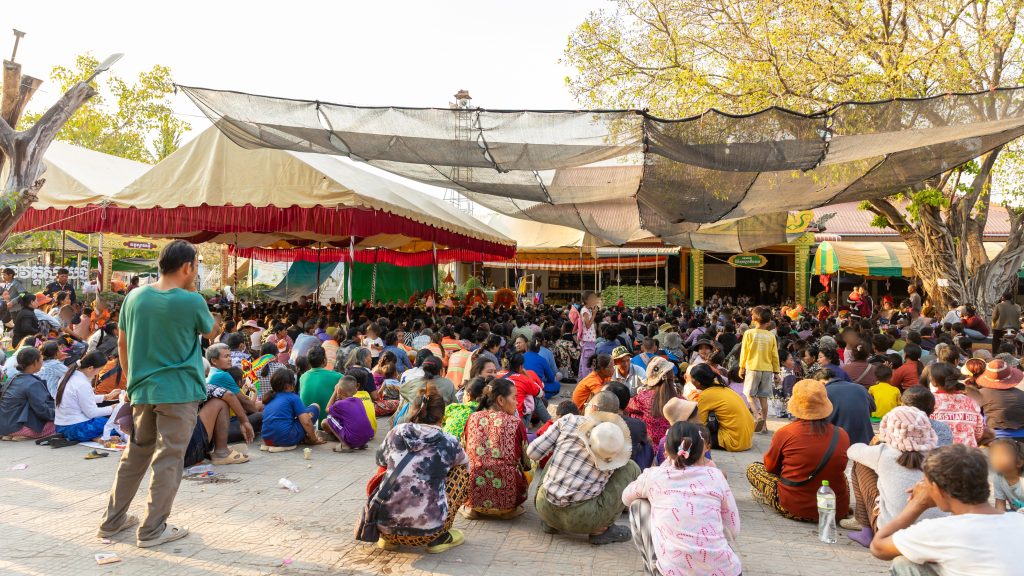
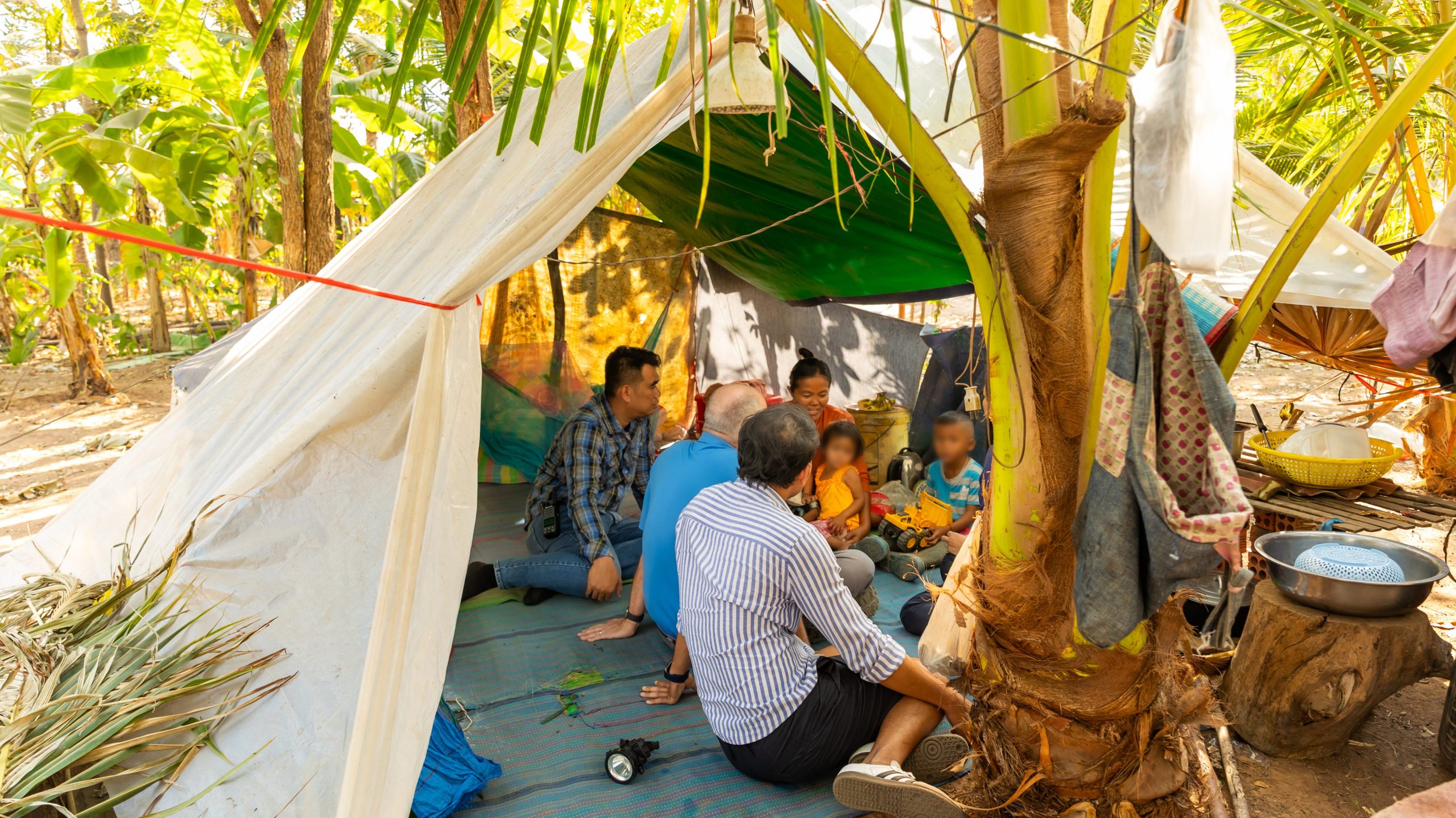
The camps stretched across two provinces. Over 2,000 people. Families living in tents placed directly under the open sun with no roofs or walls to block the heat during the day.
Children were barefoot on dry, dusty ground. Mothers fanned babies with pieces of cardboard. Cooking pots sat on small stools outside, uncovered, where ants and insects crawled over whatever little food families had left. No proper storage. No protection from rain or wind. Limited sanitation. No protein. No privacy or safe space for women and girls.
These weren’t statistics. These were families who had homes, livelihoods, and dreams just weeks ago.
When our team arrived, we heard tired voices. Parents whispering about food. Children asking when they could go home. What we felt was a deep heaviness.
We didn’t come to observe. We came to serve.
The Wounded Soldiers
Her Excellency Chou Bun Eng asked us to visit the wounded soldiers impacted by the conflict.
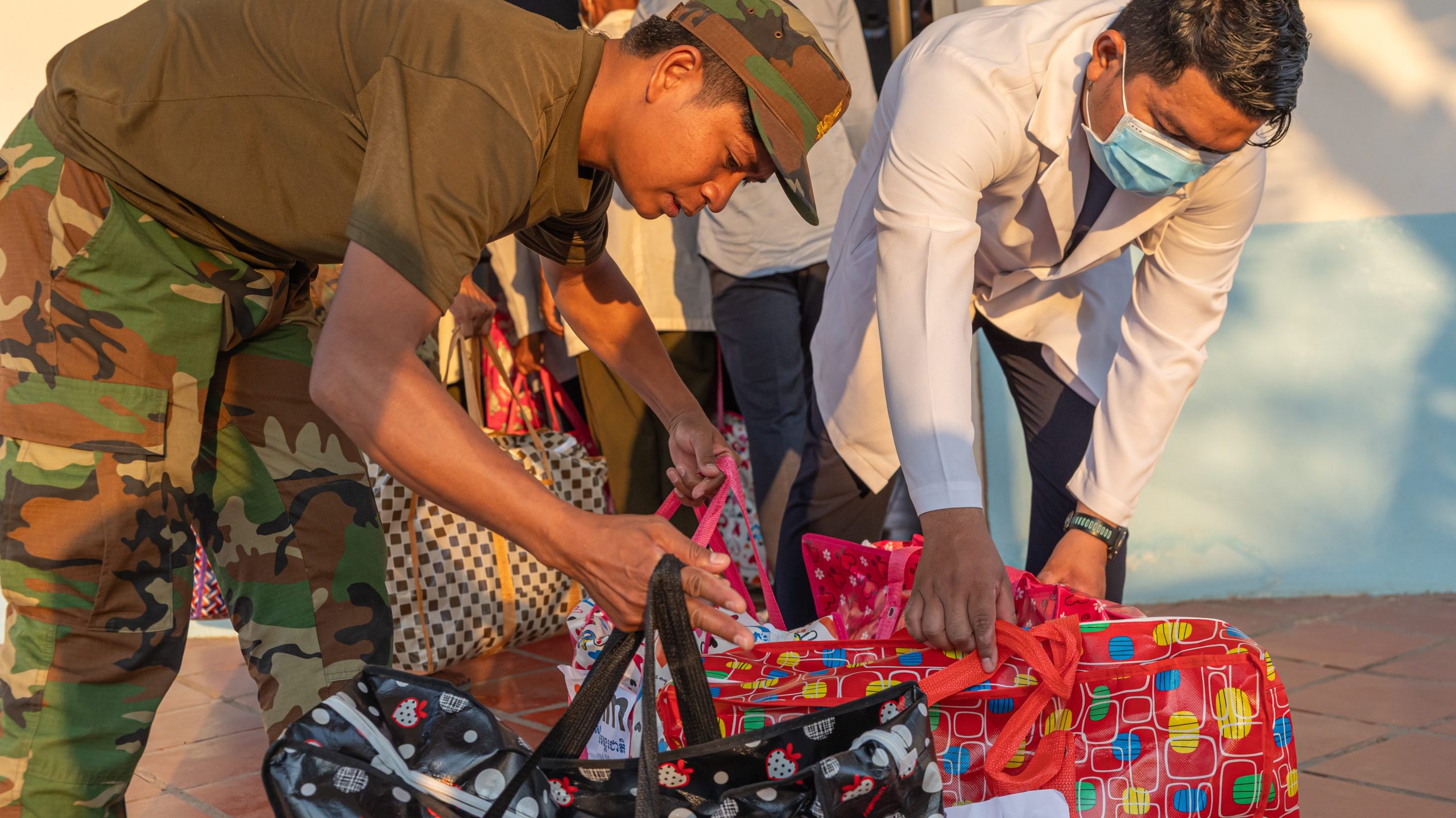
Siem Reap Military District 4 Hospital. Active-duty soldiers with conflict-related injuries. Men whose lungs had been damaged by exposure to harmful agents. Others suffering from shell shock, orthopedic injuries, infections. They were placed in rooms where their wives and children stayed to care for them around the clock.
One soldier didn’t have a wife or an adult family member. His daughter, probably 13 years old, stayed day and night to take care of her father.
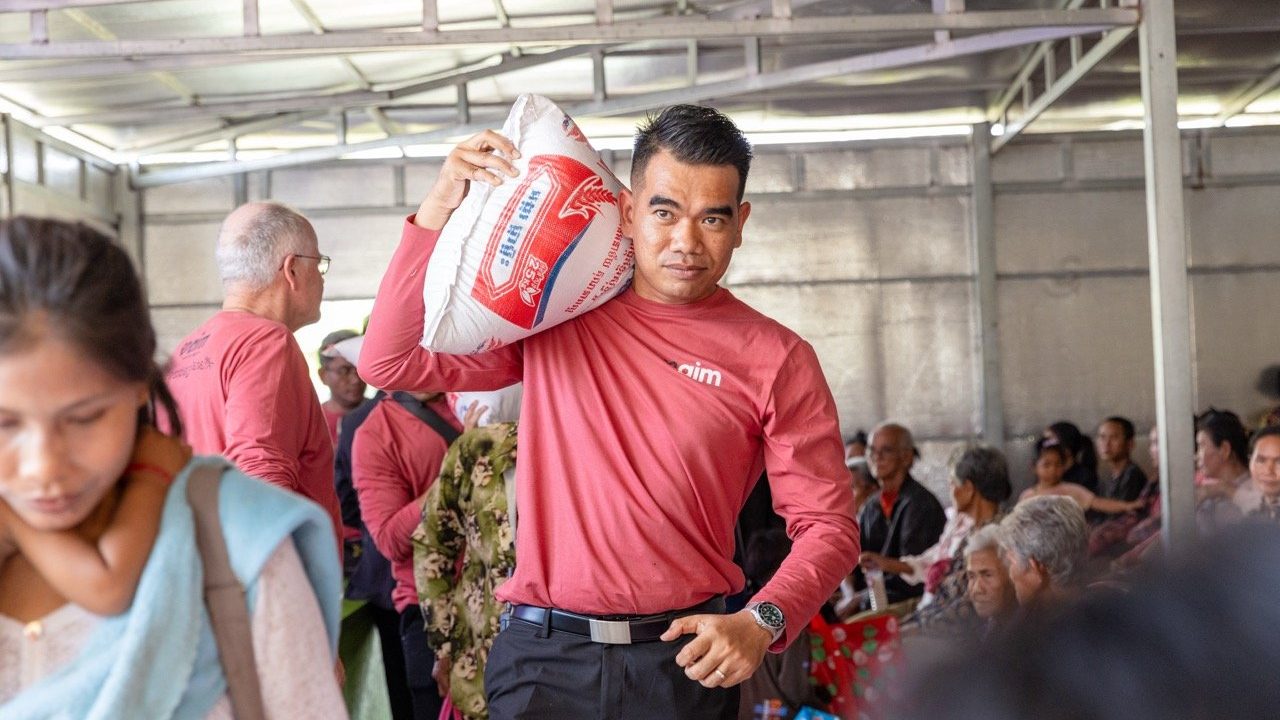
We brought food packages. For the soldiers. For their families. For their children.
Handing packages to the kids was joyful. But standing face to face with the soldiers themselves was something else entirely. These men have courage that most of us will never understand. And we got to look them in the eye and say: you’re not forgotten.
The Church That Showed Up
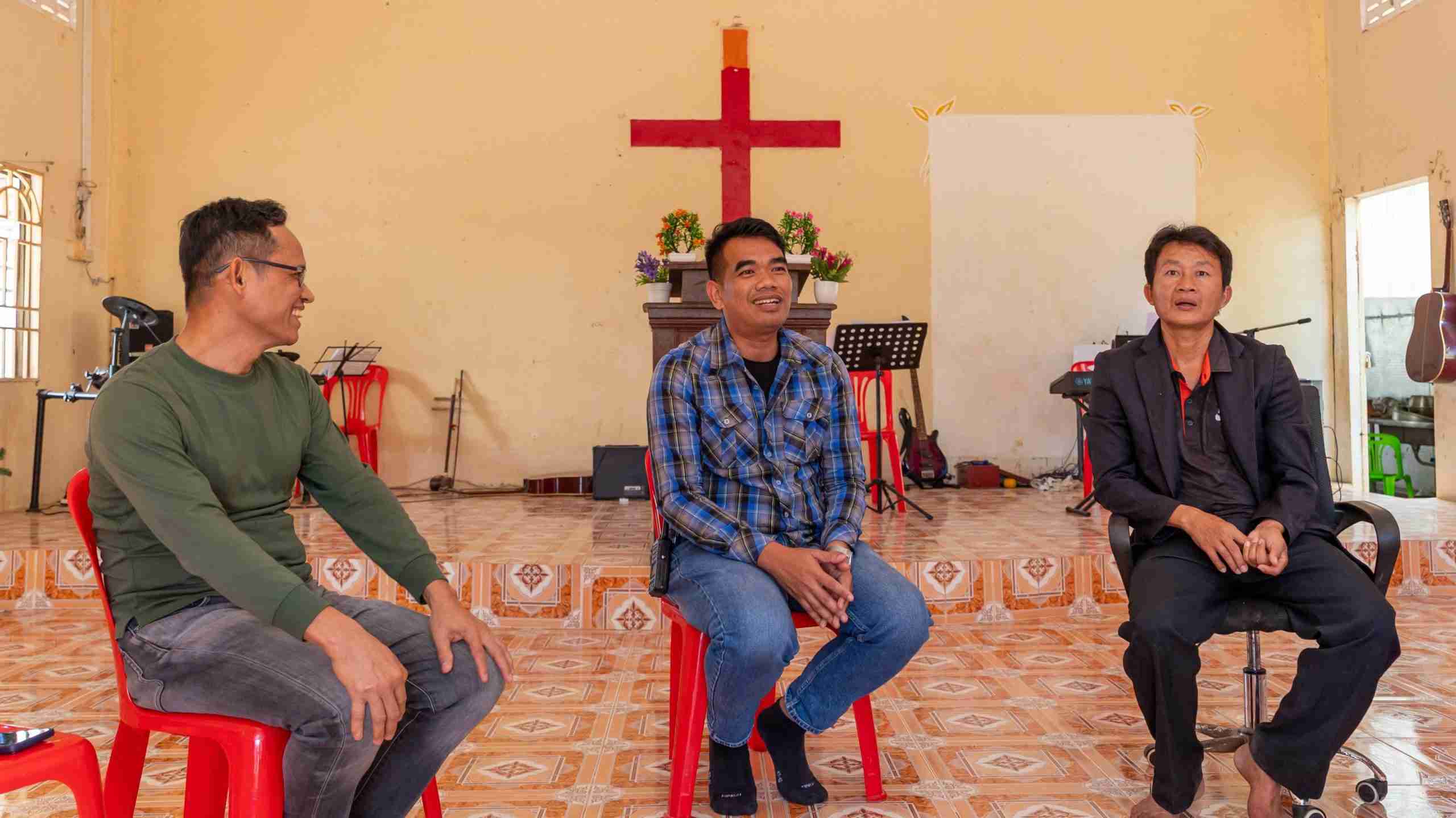
When we started planning which provinces to serve, Banteay Meanchey was on the list. Chantha, AIM’s Regional Prevention Coordinator, had a connection with the church there. He reached out to the pastor to understand the needs of displaced families in the area.
The church didn’t hesitate.
They provided space to store aid supplies. They mobilized their youth to help with packaging. They accompanied us to the camps. They coordinated with the chief monks in areas where camps were located on pagoda grounds.
This is what the mission looks like when local believers lead from within. We didn’t parachute in with a plan. We partnered with people already serving their own community.
And together, we moved hundreds of food bags by hand. Family by family. Tent by tent.
One team member described it this way: “The displaced people’s smiles became our joy.”
Teaching Them How to Protect Themselves
Here’s what most people don’t know about displacement: when families lose everything, they become targets.
Traffickers don’t wait. They show up at camps with promises. Jobs that don’t exist. Safety in exchange for daughters. Opportunities that sound legitimate because desperation makes people want to believe.
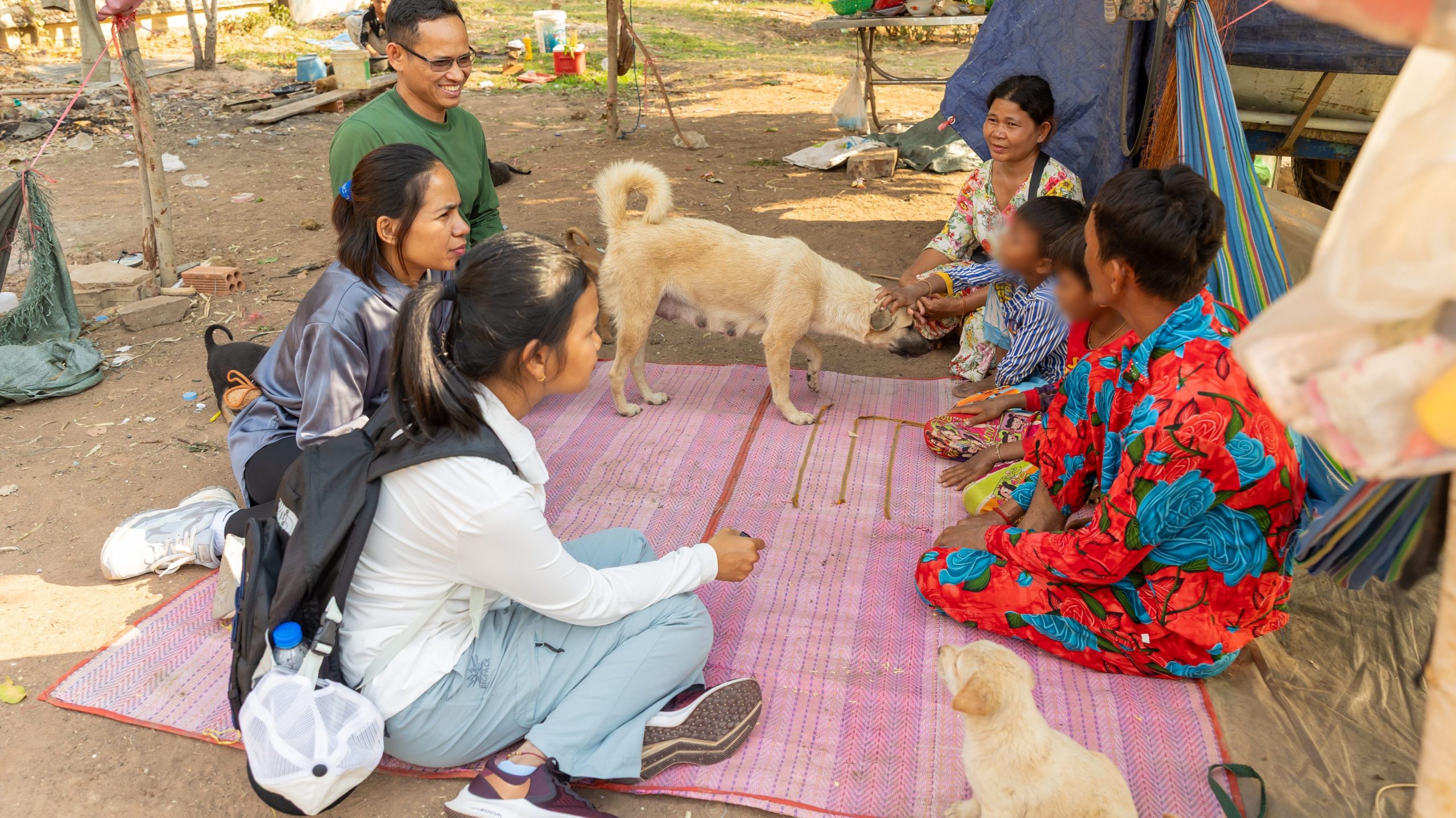
AIM’s team didn’t just distribute food. We trained people.
Our Team led sex trafficking awareness training in over ten camps that we visited. Adults and children learned how to recognize the tactics exploiters use: What they say, what they promise, and what red flags to watch for.
The impact was immediate.
Pastor Chantha reported numerous questions about trafficking concerns happening inside the camps themselves. Saron shared that hotline calls began coming in as a direct result of the training.
When people are informed, they protect themselves. They protect each other. They stop exploitation before it starts.
This is AIM’s transformation work in real time.
The Gospel on Pagoda Grounds
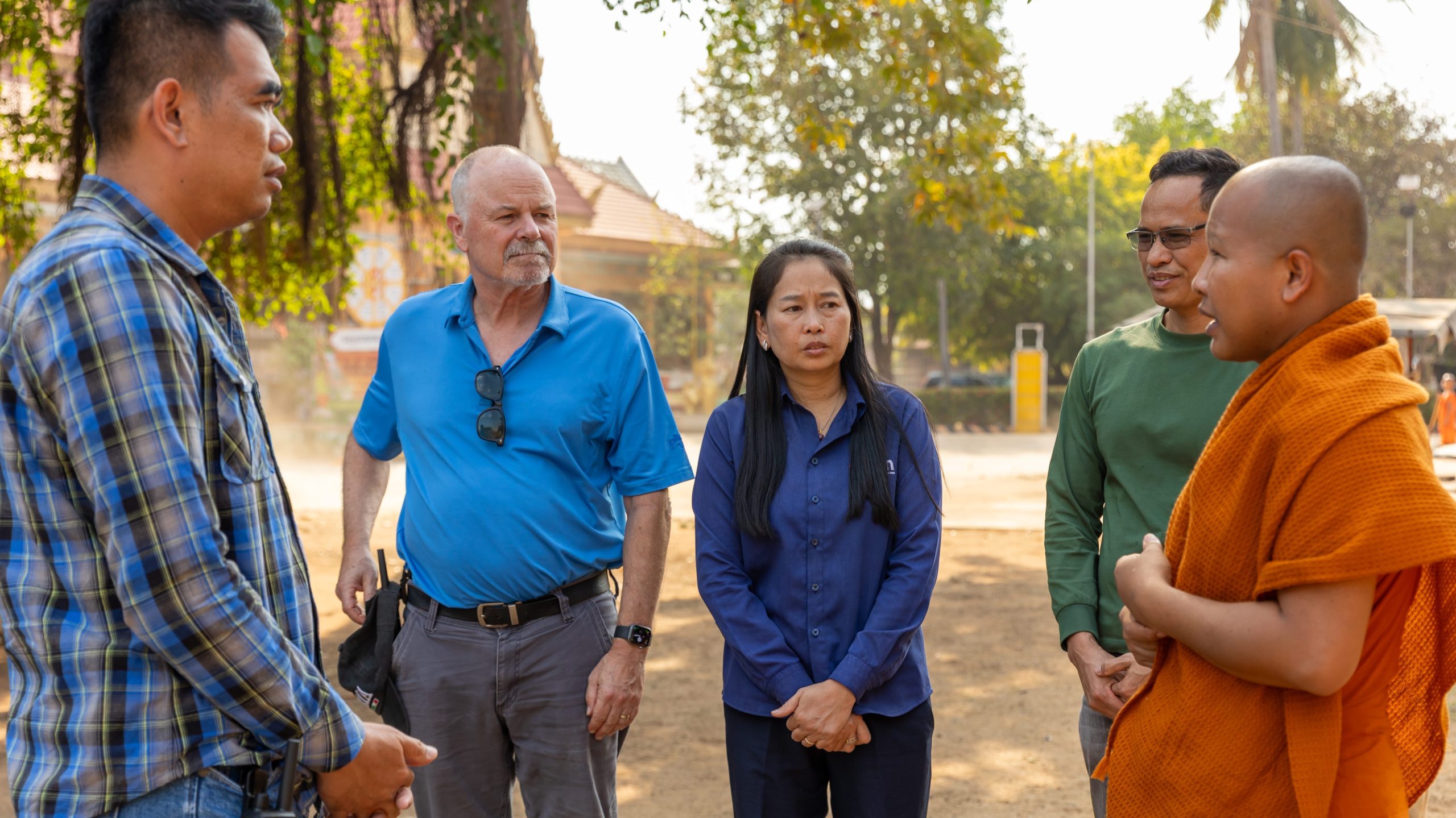
Here’s something most anti-trafficking organizations will never experience: we were granted limited evangelistic freedom inside camps located on Buddhist pagoda grounds.
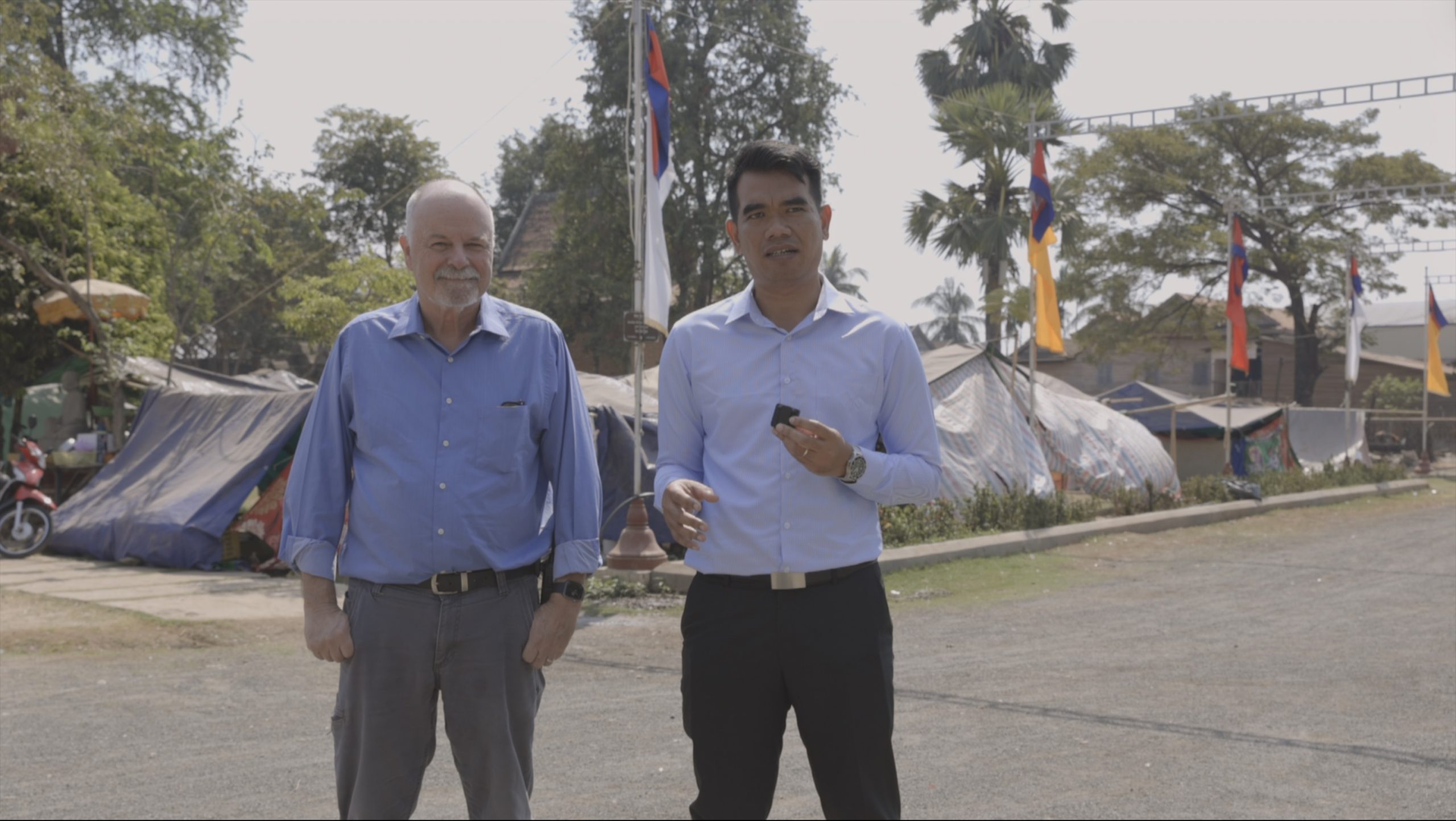
Jim McMorran, AIM’s CFO & CPO, stood before displaced families and shared a simple truth: “We are Christians, and God commands us to love our neighbors. You are our neighbors.”
Government officials repeated that message publicly. They praised the example of Christians and Buddhists working together. Several monks shared similar comments as well.
We didn’t preach at people. We showed them what agape love looks like.
Food packages. Hygiene kits. Hair cleaning and cutting for 283 children and 122 adults. Trafficking awareness training. Time. Attention. Dignity.
And then we told them the truth: God loves you. We’re here to show you.
When a Government Officials Show Up
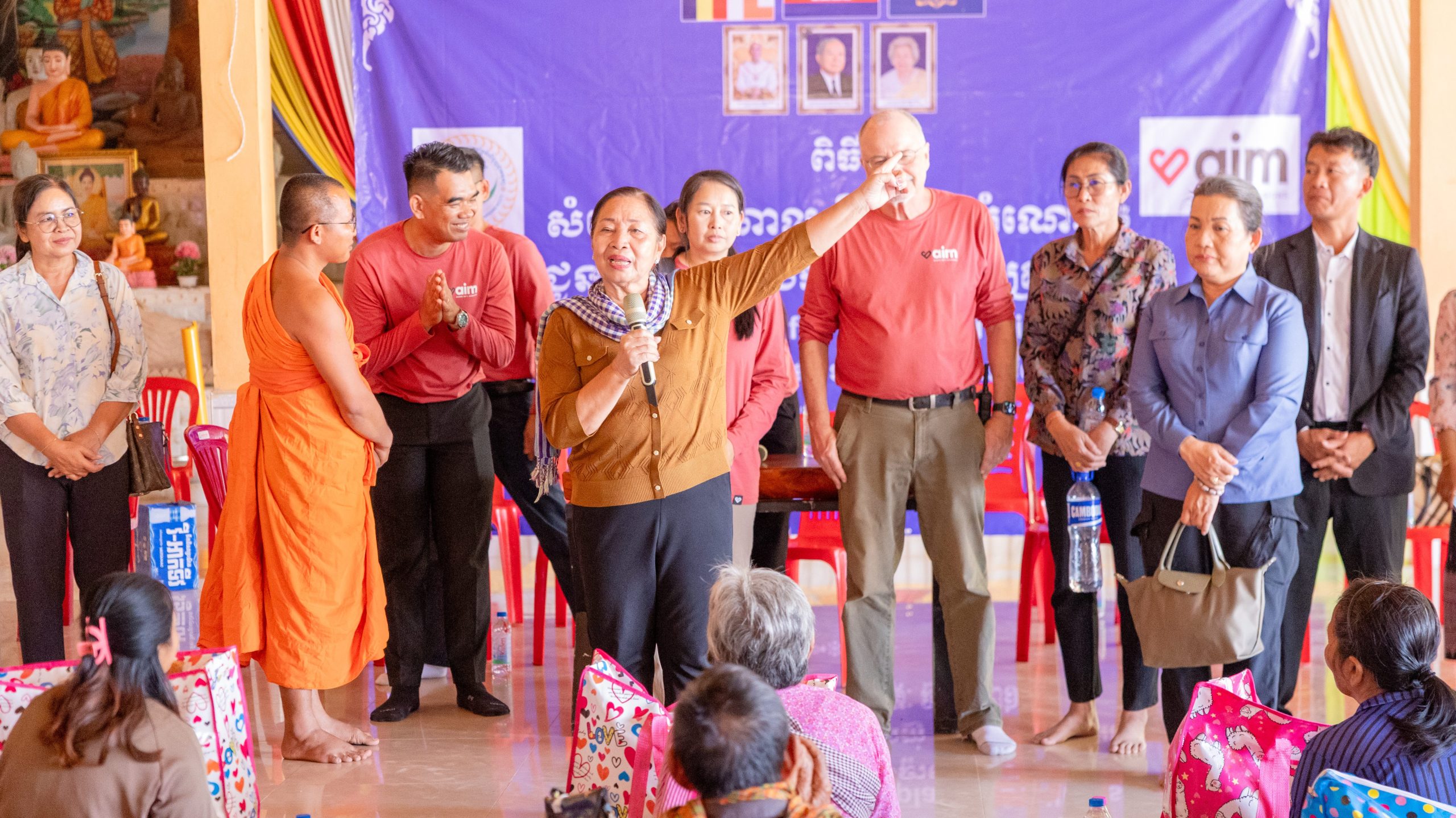
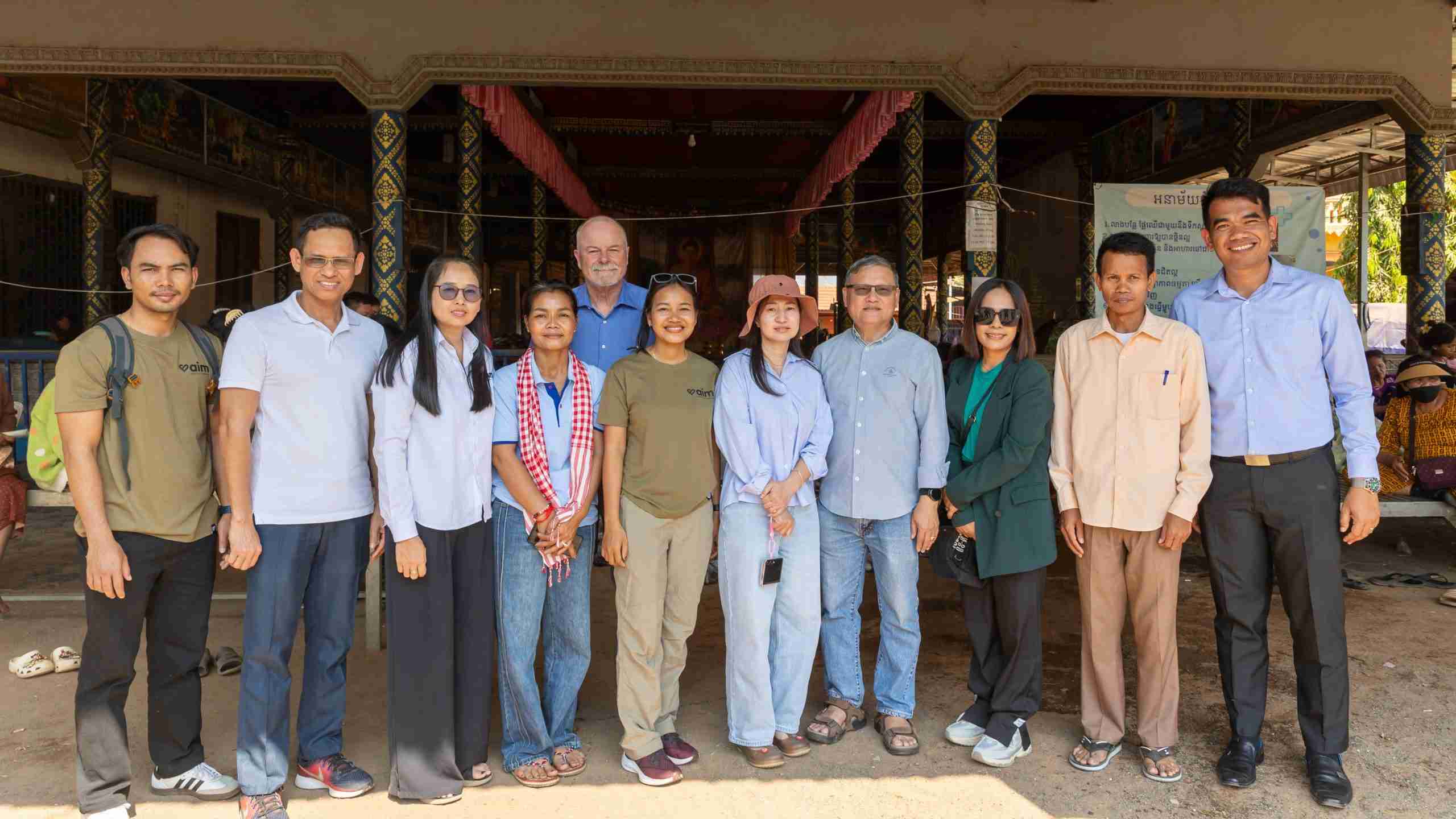
Later in the week, Her Excellency Chou Bun Eng joined our team at the camps.
She serves as the Secretary of State of the Ministry of Interior and the Permanent Vice Chair of the National Committee for Counter Trafficking (NCCT). Her presence wasn’t symbolic. It was strategic.
Several government leaders expressed their appreciation for AIM’s leadership in securing donations to assist displaced people. And they have made it clear to local authorities that AIM maintains strong relationships with government officials at the national level, not just the subnational level.
This matters because it reinforces AIM’s reputation with the government and opens doors for increased coordination and more nimble operations across provinces.
We Got There Before the Traffickers Did
When the conflict erupted in July, over 500,000 people were displaced within weeks. Families lost homes, income, stability. Children lost schools and safety.
And AIM’s transformation team immediately recognized what was happening: the most vulnerable population to trafficking in the country had just been created overnight.
Displacement doesn’t just take away homes. It creates desperation. And desperation is what traffickers hunt.
So we didn’t wait to be asked. We mobilized.
Our transformation pillar exists to identify where exploitation takes root and build protection before it happens. Displacement camps are ground zero for vulnerability. And because our team is nimble and ready to deploy wherever risk is highest, we were in the camps training families and building safeguards before traffickers could establish operations.
This is exactly what the transformation pillar was built to do: get ahead of exploitation at the source.
What Your Partnership Made Possible
Because you joined the mission, AIM was ready when the call came. Your partnership funded:
- Food packages for over 1,000 displaced families
- Support for 71 wounded soldiers and their families
- Trafficking awareness training in over 10 camps across two provinces
- Kids Club programs for 992 children, including training on “good touch and bad touch”
- Haircuts for 283 children and 122 adults
- Deloused around 500 kids’ hair
- Gospel presentation on pagoda grounds with government approval
- Partnership with local churches to serve their own communities
- Provided clean water infrastructure
- Restored a fishing pond with 20 kilograms of baby fish to strengthen long-term food sustainability
This isn’t abstract activism. This is impact measured in hearts, lives, and communities transformed.
As Jim McMorran put it: “It was a great honor as a foreigner to work alongside Khmer people to support Khmer people. It opened my eyes to human suffering on a big level and to human decency as the Monks and government workers stepped up to help our people.”
What Comes Next
The crisis phase revealed the opportunity. Now we’re building long-term protection.
Families won’t be going home anytime soon. The ceasefire is fragile. Camps that were meant to be temporary are becoming semi-permanent communities. And that means traffickers will keep trying and here’s what we need to go further:
Increased resources to:
- Build protective infrastructure like bunkers for children at schools near conflict zones
- Reach more displacement camps across Southeast Asia
- Provide immediate relief to vulnerable families as new crises emerge
- Strengthen prevention efforts in communities at highest risk
- Protect children before trafficking happens
How to Be Ready for the Next Call
This won’t be the last crisis that creates mass vulnerability.
But here’s what your partnership makes possible: AIM doesn’t wait to be invited. We deploy where risk is highest, before exploitation takes root.
We didn’t have to launch a campaign. We didn’t have to ask permission. We had the resources, the relationships, and the team in place to say yes immediately.
That’s what your partnership makes possible.
When you join the mission without restrictions, you empower AIM to respond when opportunities arise without warning. A government official calls. A church partner identifies a need. A crisis creates vulnerability. And we move.
This is what readiness looks like.
If you want to empower AIM to respond to the next crisis, the next call, the next opportunity to protect vulnerable people in the communities we serve, join the mission today.
Your partnership funds rapid response, infrastructure development, and the freedom to say yes when it matters most.