WHAT’S THE DEAL?
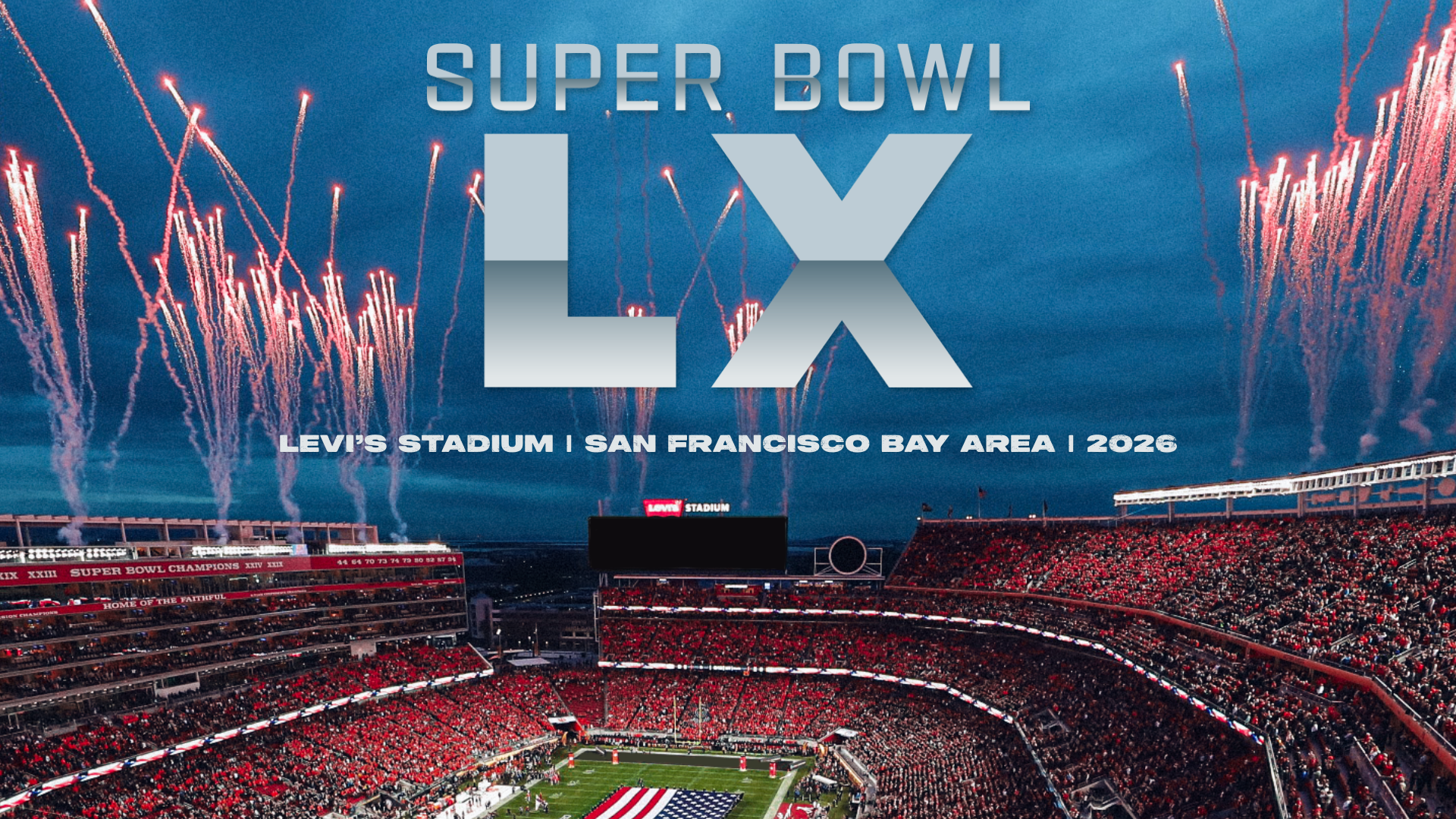
Every year, the Super Bowl draws global attention—millions of fans, high-profile performances, and a spotlight on the host city. As excitement builds for Super Bowl 60 in Santa Clara, California, questions also surface about human trafficking. Headlines often claim the Super Bowl is a hotspot for exploitation, but what does the evidence actually show?
At Agape International Missions (AIM), we believe in truth, prevention, and protecting the vulnerable. This conversation matters—not because of myths, but because human trafficking is a daily reality in cities across the world.
Does Human Trafficking Increase During the Super Bowl?
The idea that the Super Bowl causes spikes in human trafficking has been widely repeated for years. However, leading experts and multiple studies have found no clear evidence that trafficking increases more during the Super Bowl than during other large events or on a regular basis throughout the year.
That doesn’t mean trafficking isn’t happening—it is. But it happens every day, in every city, not just during high-profile events. The danger of repeating the Super Bowl myth is that it can draw attention away from the ongoing, often hidden nature of exploitation in our communities.
What’s True: Traffickers Exploit Vulnerability and Opportunity
Large events like the Super Bowl bring increased tourism, hospitality demand, and a flood of short-term visitors. Traffickers may take advantage of these factors, especially where there is a lack of awareness or oversight. But exploitation is not event-dependent. It thrives wherever people are vulnerable—regardless of the calendar.
The real threat isn’t the Super Bowl. The real threat is indifference.
How Communities Can Respond
Whether it’s game day or any day, here’s what individuals and communities can do to help prevent trafficking:
1. Stay Informed
Understand what trafficking is—and what it isn’t. Trafficking doesn’t always involve kidnapping. It often involves coercion, manipulation, and abuse of power.
2. Watch for Warning Signs
Unexplained injuries, a lack of freedom to move or speak alone, or someone being closely controlled by another person can all be red flags. Learn more at aimfree.org/resources.
3. Report Suspicious Activity
If something doesn’t seem right, say something. Call the National Human Trafficking Hotline at 1-888-373-7888 or text “BEFREE” (233733).
4. Support Long-Term Solutions
Prevention, rescue, and restoration work 365 days a year. Your support helps uproot trafficking at its roots. Consider giving, praying, or partnering at aimfree.org.
AIM’s Mission
At AIM, we don’t chase headlines. We pursue transformation. Our mission is to free hearts, lives, and communities from the evil of sex trafficking in Jesus’ name and in Jesus’ way. Whether it’s Southeast Asia, Central America, or your own city, we’re committed to rescue, healing, and lasting change.
The Super Bowl may bring awareness, but the mission demands more than a moment. It requires all of us—every day.
JOIN THE MISSION
Become an AIMbassador & help others join the mission!

Give Online


The Pulse is our unstoppable force of monthly supporters.

Shop Survivor-made products & AiM Apparel
RALLY YOUR CHURCH
SERVE

Sign up for Email

Get Text Updates
SHARE ON SOCIALS
THE SUPER BOWL & TRAFFICKING THROUGHOUT THE YEARS:
We’ve been keeping tabs on how each Super Bowl’s approach to tackling the issue of trafficking. Take a look at our observances from previous years:
References
Super Bowl LX – Wikipedia https://en.wikipedia.org/wiki/Super_Bowl_LX
AP News – Super Bowl 2026 performers announced https://apnews.com/article/2fe31c829f1e7dbc14949c74c4076e96
Pitchfork – Bad Bunny to Play 2026 Super Bowl Halftime Show https://pitchfork.com/news/bad-bunny-to-play-2026-super-bowl-halftime-show/
Sky Sports – Super Bowl 2026 Date, Time, Teams, Halftime Show https://www.skysports.com/nfl/news/12040/13497763/super-bowl-2026-kickoff-time-teams-date-stadium-half-time-show-and-how-to-watch-live-on-sky-sports
ABC7 News – What to Know About Super Bowl 2026 at Levi’s Stadium https://abc7news.com/post/super-bowl-2026-what-know-sb-60-levis-stadium-santa-clara-including-date-halftime-show-more/18393286/
Anti-Trafficking Review – Super Bowl and Sex Trafficking: Media Myths https://www.antitraffickingreview.org/index.php/atrjournal/article/view/404/336
University of South Florida – Does the Super Bowl Increase Human Trafficking? https://www.stpetersburg.usf.edu/news/2025/does-the-super-bowl-increase-human-trafficking-in-host-city.aspx
Polaris Project – Super Bowl Myths and Facts https://polarisproject.org/blog/2019/01/worried-about-human-trafficking-and-the-super-bowl-consider-your-nachos/
McCain Institute – Human Trafficking: It’s Bigger Than the Super Bowl https://www.mccaininstitute.org/resources/in-the-news/human-trafficking-its-bigger-than-the-super-bowl/
IJM – Is the Super Bowl the Largest Human Trafficking Event in the World? https://www.ijm.org/news/is-the-super-bowl-the-largest-human-trafficking-event-in-the-world